
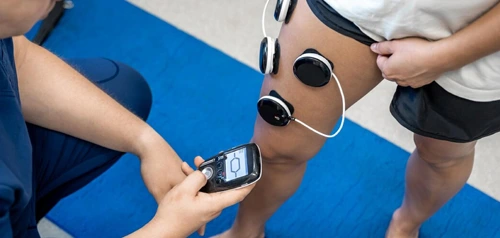
A rolled ankle at netball or a sore hamstring after a weekend run raises a common question: should you see a GP for a sports injury, or head somewhere else first? For many sprains, strains and knocks, your GP is a sensible first stop, because they can examine the injury, check whether a fracture is possible and plan your recovery. Some injuries need emergency care straight away, though. This guide explains first aid, the warning signs to watch for and what a GP visit involves at Harpley Doctors.
Key Takeaways
- First aid for sprains and strains is rest, ice, compression and elevation.
- See a doctor if the pain is severe, a fracture is possible or symptoms are not improving within a week.
- Call 000 if someone is confused or unconscious after a knock to the head.
- A GP can examine the injury, arrange imaging if needed and guide your return to sport.
First Aid in the First Few Days
Sprains and strains are common injuries that can happen during exercise and sport. A sprain is a stretched or torn ligament, often in the ankle, knee or wrist, while a strain is a stretched or torn muscle or tendon, often in the back or legs. Healthdirect’s sprains and strains guide recommends quick treatment known as RICE first aid:
- Rest the injured area.
- Ice it with a cold compress or ice pack for 20 minutes at a time, several times a day, never directly on the skin.
- Compress it with a bandage to limit swelling.
- Elevate it above the level of your heart while resting.
For milder injuries, healthdirect also advises against heat, alcohol, running and massage on the injured area, as these can slow healing or add to swelling.
When to See a GP for a Sports Injury
Healthdirect says it is important to see your doctor so the injury is properly treated and complications are prevented. Book an appointment if:
- you have given first aid for a sprain or strain
- the injury causes a lot of pain
- you are not sure whether you might have a fracture or dislocation
- your symptoms are not getting better within a week
Head knocks need particular care. It is important to see a doctor if you think you have concussion, and a good idea to have someone with you in case symptoms change, according to healthdirect’s concussion information.
When to Go to Emergency Instead
Some injuries should not wait for a GP. Healthdirect’s fractures page says to go to the emergency department or call an ambulance straight away if an injured arm or leg has an unusual colour or shape, the pain is severe, the area is bleeding heavily or bone is showing through the skin. Call triple zero (000) if the injury came from a major accident, the person is unconscious, or there may be a back, neck or head injury.
After a head knock, call 000 or go to emergency for signs such as neck pain, seizures, double vision, loss of consciousness, vomiting, a bad headache, weakness or tingling in the arms or legs, or becoming less awake. Our guide on when to see a GP instead of going to the emergency department explains the difference in more detail.
Hurt yourself at sport? Book online through HealthEngine or call Harpley Doctors on (03) 8731 1330, and walk-ins are always welcome.
What Your GP Will Do
When you see a GP for a sports injury, your doctor will ask how it happened and what your symptoms are, then examine you for swelling, bruising, pain, joint movement, muscle strength and ligament stability. Healthdirect notes that an ultrasound may be used to see the damage more clearly, and X-rays can rule out a fracture. For a head knock, there is no single test for concussion, so if the injury happened during a game and there is video, bring it along.
At Harpley Doctors, sports injury management is one of the services our GPs provide. Dr Mohamed Ghilan (MD, PhD) works in rehabilitation and pain medicine and in sports and musculoskeletal care, and offers PRP (platelet-rich plasma) after assessment. Dr Reda Aboelsaad also provides musculoskeletal care. You can read about each doctor on our team page.
If pain lingers well beyond the expected recovery time, your GP can help with pain management, and ongoing problems can be followed up through acute and chronic condition management. If you need time off work or school, ask about medical reports and certificates.
Concussion Needs Extra Care
Healthdirect advises resting for the first 24 to 48 hours after a concussion. During recovery, it suggests you do not drive or drink alcohol, limit screen time, take time off work or study, and stick to gentle exercise such as walking. Most adults recover within 2 weeks, but children usually take longer.
Healthdirect’s guidance is to return to contact sport only 14 days after all symptoms have gone, and to ask your doctor when to go back to school, work or harder exercise. If your child plays sport, our paediatric health care and our guide on when to take your child to a GP can help.
Getting Back to Sport Safely
Once an injury starts to heal, healthdirect notes that strengthening exercises help, and physiotherapy can support this. To lower the risk of another sprain or strain, it recommends:
- wearing the right gear, including well-fitted, supportive shoes
- building up the intensity of activity gradually
- warming up, stretching and cooling down
- drinking water before, during and after exercise
- taking regular breaks and listening to your body
Injured at Work Rather Than Sport?
If the injury happened on the job, tell your employer and bring their contact details to your appointment. In Victoria, the first certificate of capacity comes from a medical practitioner and covers up to 14 days, according to WorkSafe Victoria. Our pages on WorkCover injuries and occupational health explain more.
Booking at Harpley Doctors
Harpley Doctors is open Monday to Friday 8 am to 8 pm and Saturday and Sunday 9 am to 5 pm, which helps when injuries happen at weekend sport. All consultations and procedures are bulk billed. If you are unsure whether to see a GP for a sports injury, start with first aid, watch for the emergency signs above, and book in if pain is significant or recovery stalls. See Patient Info and Fees for fees and practice policies.
Frequently Asked Questions
Should I put heat on a fresh sprain?
No. Healthdirect advises against using heat on the injured area. Use ice for 20 minutes at a time, and never put ice directly on your skin.
Do I need an X-ray for a sprained ankle?
Not always. Your doctor examines the injury first and may arrange an X-ray if a fracture needs to be ruled out.
When can I return to contact sport after concussion?
Healthdirect advises waiting until 14 days after all symptoms have gone. Check with your doctor before going back.
Can I walk in with a sports injury?
Yes. Harpley Doctors is appointment based, but walk-ins are always welcomed and accommodated. You can also book online through HealthEngine or call (03) 8731 1330.
Get your injury checked and plan a safe return to sport. Book online through HealthEngine or call Harpley Doctors on (03) 8731 1330.